If your nails are brittle, ridged or simply tired of constant polish, there is a gentle alternative that is quietly winning fans: the Japanese manicure. It skips the bright colours and heavy products and instead focuses on nourishing your natural nails until they glow with a soft, pearly shine. Here is everything you need to know about how it works, what it feels like and whether it is right for you.
What Is a Japanese Manicure?
A Japanese manicure is a natural nail treatment that nourishes, strengthens and polishes the nail plate without using coloured polish. Rather than covering the nail with colour, it works with what you already have. The result is a healthy, satin-like sheen that looks like the glossy, polished nail you might wish you were born with.
The technique has its roots in Japan, where a minimalist approach to beauty has long prized care and subtlety over decoration. Treatments of this kind often combine gentle buffing with nourishing pastes, powders and oils, and some versions include natural ingredients such as beeswax or mineral-rich formulas. Exact products and steps vary from salon to salon, so it is always worth asking what your therapist will use.
How Does a Japanese Manicure Differ From a Regular Manicure?
A classic manicure usually ends with colour, whether that is regular polish or gel. The Japanese approach ends with shine and nothing else. The comparison is easier to see side by side:
- Finish: A traditional manicure typically adds colour, while this one leaves a natural, glossy look.
- Focus: It is all about nail health, strengthening and conditioning rather than design.
- Products: It generally avoids chemical-heavy steps and does not require UV or LED lamps, since no gel or polish is cured.
- Removal: There is nothing to soak off or file away, which means less wear on the nail over time.
What Happens During a Japanese Manicure?
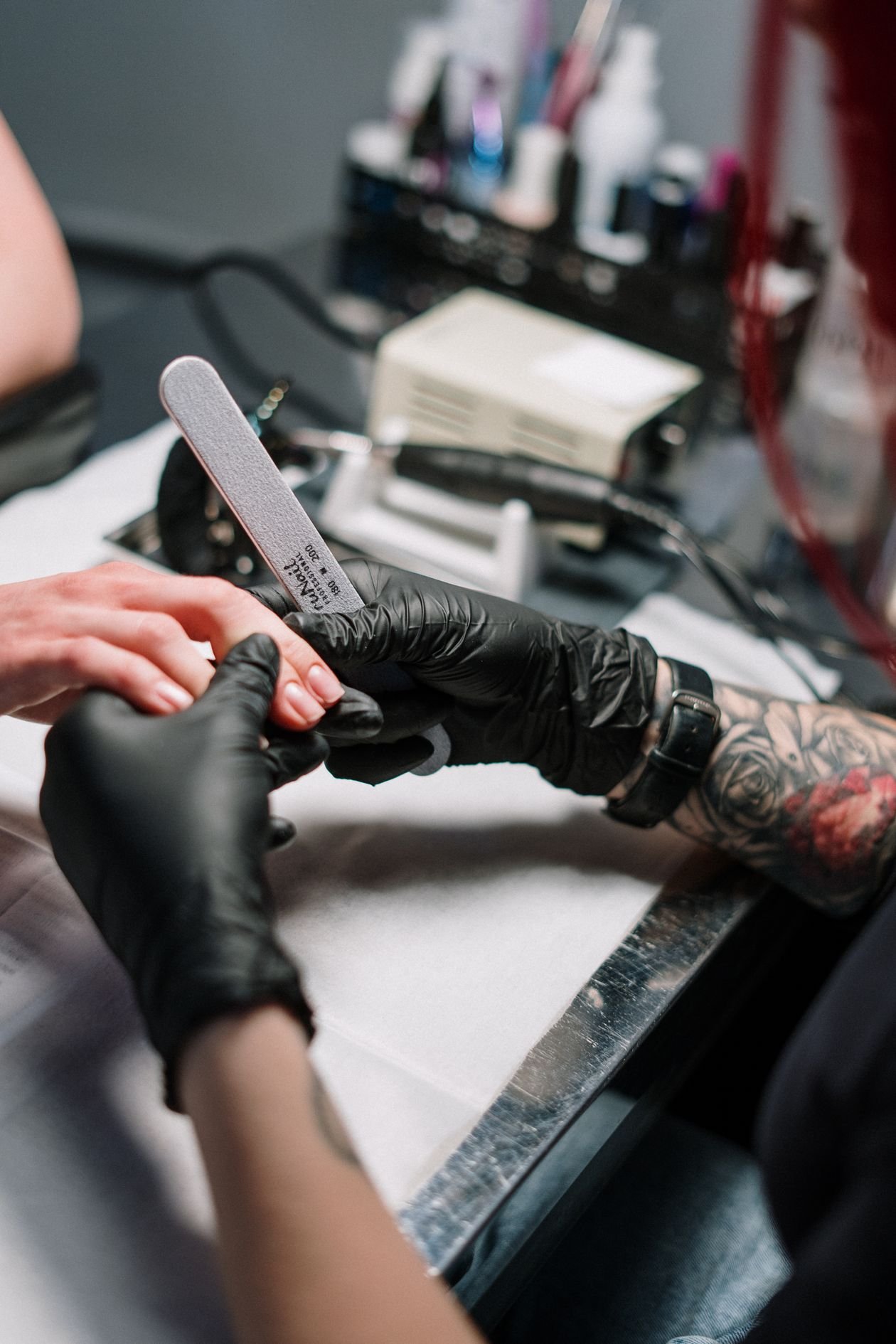
Every salon has its own routine, but a typical session runs along these lines. First, your therapist will look at the condition of your nails and skin and talk through any concerns. Your hands are then cleansed and the nails are shaped with a file to your preferred length and form.
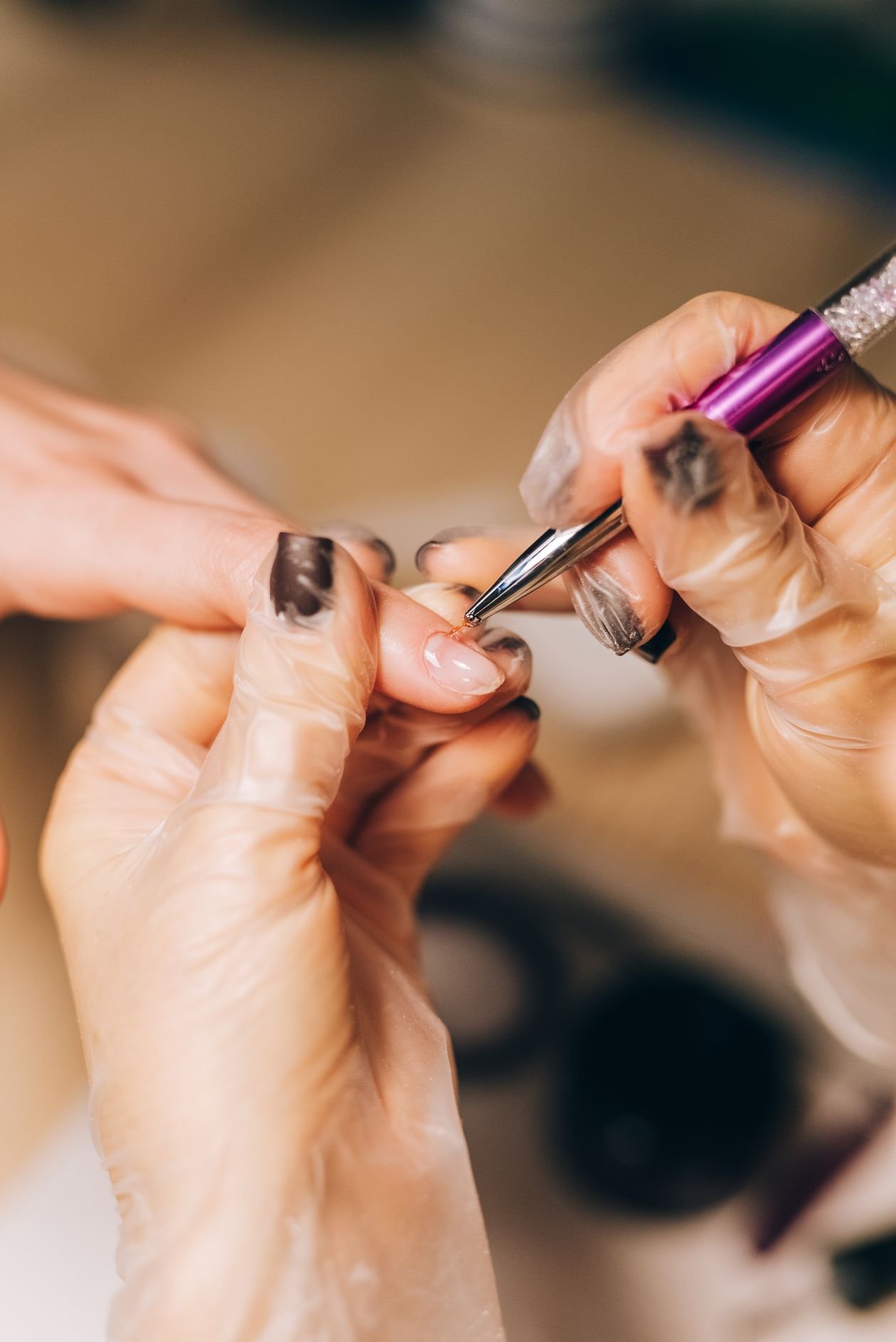
Next comes cuticle care, where the skin around the nail is softened and tidied gently. Then the nourishing part begins: a conditioning paste or oil is worked over the nail surface, followed by buffing, often with a soft chamois-style buffer, to bring up the shine. A hand massage usually finishes the treatment, leaving your skin soft and your nails smooth and lustrous. Most sessions take around 30 to 45 minutes.
Benefits of a Japanese Manicure
- Healthier-looking nails: Regular conditioning can leave nails looking smoother, stronger and less prone to peeling.
- A natural, polished look: It is ideal if you like a clean, understated finish that works with any outfit or workplace.
- A break from polish: Giving your nails time away from gel and acrylic can help them recover and breathe.
- Low maintenance: With no chips to worry about, there is no rush to rebook for repairs.
- Relaxation: The buffing and hand massage make it a calming, self-care style of treatment.
Who Is It Best For?
A Japanese manicure suits almost anyone who wants tidy, cared-for nails without colour. It is especially popular with people who have thin, soft or brittle nails, those recovering from gel or extensions and anyone who prefers a minimal look. It is equally good for men and women, and it works beautifully on both short and long nails.
It is worth being realistic, though. This is a cosmetic and conditioning treatment, not a cure for medical nail problems. If you notice persistent discolouration, pitting, painful swelling or sudden changes in your nails, it is best to check with your GP rather than rely on a salon treatment.
How Long Does It Last?
The shine from a Japanese manicure typically lasts around two to four weeks, depending on how hard you use your hands. Daily tasks such as washing up, cleaning and using hand sanitiser gradually dull the finish. Since there is no polish to chip, the nails simply return to their natural look rather than suddenly looking worn out. Many people book a session every three to four weeks to keep the glow going.
Aftercare Tips
- Moisturise your hands and cuticles daily with a nourishing hand cream or oil.
- Wear gloves for washing up and household cleaning.
- Avoid using your nails as tools for opening cans or scraping labels.
- Keep nails shaped and trimmed so they do not snag or split.
- Drink plenty of water and eat a balanced diet, as general health shows in your nails.
Frequently Asked Questions
Is a Japanese manicure suitable for short nails?
Yes. It works beautifully on short nails, and many people find the polished, natural finish looks especially neat and elegant at shorter lengths.
Can I put polish on afterwards?
You can, although most people choose it precisely because they enjoy the bare, glossy look. If you do add colour later, a gentle base coat helps protect the nail.
Will it repair damaged nails?
It can improve how your nails look and feel by conditioning and smoothing them, but it cannot permanently repair damage. Healthy habits and time away from harsh products do the real work.
Does it hurt?
Not at all. The process is gentle and relaxing, and most people describe the buffing and massage as soothing.
Final Thoughts
A Japanese manicure is a lovely way to treat your hands to a bit of care while keeping things simple. It will not give you bold colours or nail art, but it will leave your nails looking smooth, healthy and softly glowing. If you are ready to take a break from polish or just prefer the natural look, it is well worth trying at your next salon visit.