If you have ever scrolled past a before-and-after photo of a puffy face looking suddenly sculpted, you have probably wondered what is behind it. More often than not, the answer is lymphatic drainage massage, a feather-light technique that has moved from specialist clinics onto everyday salon menus. But what does it actually do, and is it worth booking? This guide explains how it works, who it suits, what the evidence really says and what to expect once you are on the treatment table.
What Is Lymphatic Drainage Massage?
Lymphatic drainage massage is a gentle, rhythmic technique designed to encourage the movement of lymph, the clear fluid that travels through your lymphatic system. Unlike a deep tissue session that works on tight, knotted muscles, this treatment uses slow, featherlight strokes that stretch the skin in the direction of lymph flow.
Your lymphatic system does not have a pump of its own the way your circulatory system has the heart. Lymph moves because of muscle movement, breathing and the tiny contractions of the vessels themselves. Along the way it passes through lymph nodes, which filter waste and play a key role in your immune defences. When that flow slows down, fluid can linger in the tissues, which is why some people notice puffiness in the face, hands, ankles or legs. The idea behind the treatment is simple: give that natural flow a little manual help.
The method is often called manual lymphatic drainage, or MLD, and it was developed in the 1930s by the Danish therapists Emil and Estrid Vodder. It is still taught around the world today, both for wellness and in medical settings.
How Does the Technique Work?
The surprising part is how little pressure is involved. Lymph vessels sit just beneath the skin, so a trained therapist does not need to press hard. In fact, firm pressure can flatten those delicate vessels and defeat the purpose. Instead, expect slow, sweeping, almost stroking movements, often described as light circles, scoops and gentle pumping motions repeated several times in each area.
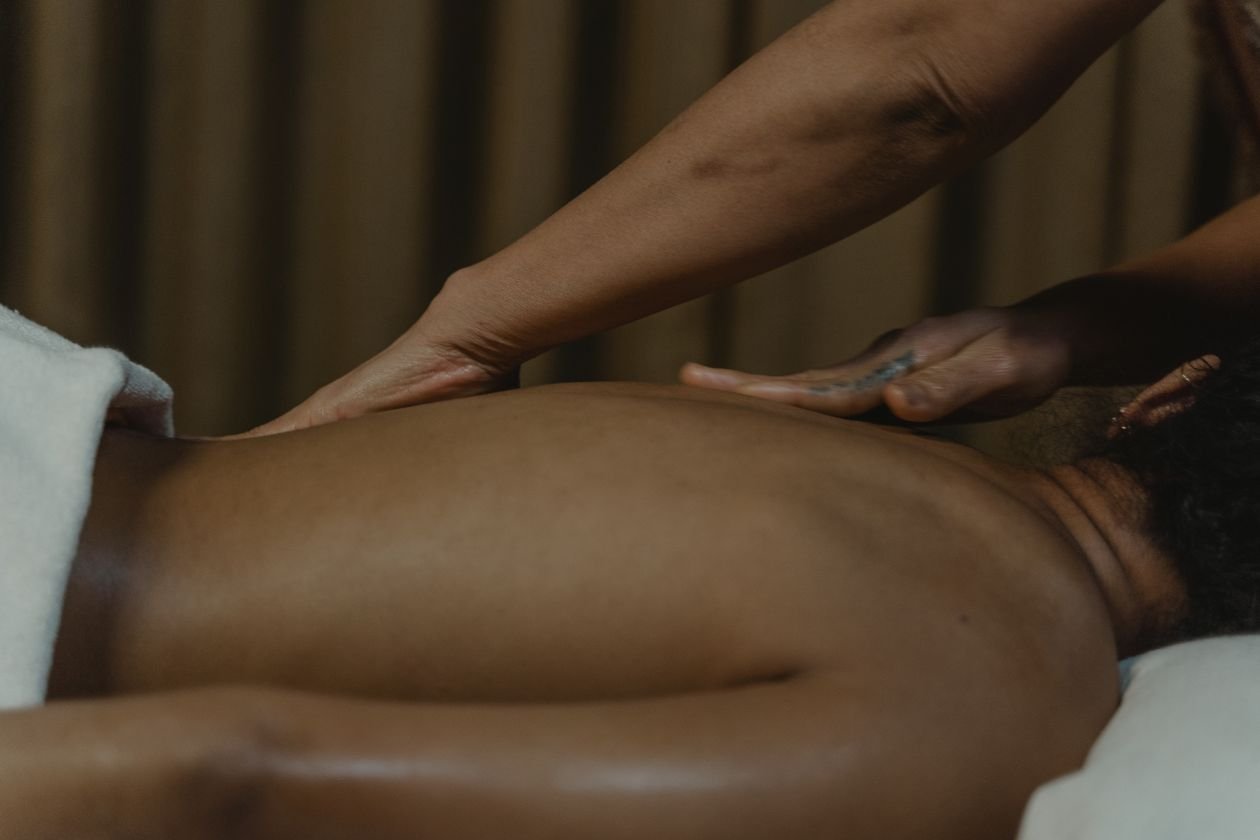
A session commonly begins around the neck and collarbone, where lymph drains back towards the bloodstream. The therapist then works towards the area you want help with, such as the face, legs or abdomen, before finishing back at the main drainage points. Other key lymph node clusters sit in the armpits and groin, so you can expect those areas to be treated with care as well.
Benefits of Lymphatic Drainage Massage
Here is what people most often report, along with an honest note about how strong the evidence is for each.
- Less puffiness and fluid retention: Many clients notice that their face, legs or feet look and feel lighter after a session. The effect is often temporary, so it works best as part of a wider routine.
- Support for lymphoedema: In clinical settings, manual lymphatic drainage is used as one part of a broader management plan for lymphoedema. That should only ever be carried out by a specially trained therapist working alongside your medical team.
- Deep relaxation: The slow, repetitive rhythm tends to calm the nervous system. Plenty of people describe feeling sleepy, soft and unhurried afterwards.
- Comfort during recovery: Some surgeons suggest gentle drainage work after certain procedures to help with swelling, but only once you have been cleared to have it.
- A fresher look: When puffiness settles, skin often looks brighter and features look more defined, which is why the treatment is so popular before events and holidays.
Common Myths Worth Clearing Up
It is easy to find exaggerated claims online, so it helps to keep expectations realistic. First, you will often see the treatment sold as a detox. Your liver and kidneys do the real detoxing, and the lymphatic system simply helps move fluid and waste along. Second, a lymphatic drainage massage will not melt fat or replace exercise, and the evidence for cellulite reduction is thin. Think of it as a supportive, relaxing treatment rather than a quick fix for weight loss.
Who Is It Best Suited To?
Lymphatic drainage massage suits a wide range of people, particularly those who:
- Feel puffy or heavy, especially in the morning or after long periods of sitting
- Spend a lot of time travelling, standing or working at a desk
- Want a calming treatment that feels very different from a firm sports massage
- Are preparing for an event and would like to feel and look less bloated
- Have been advised by a healthcare professional to try manual drainage as part of their care
If you are pregnant, tell your therapist at the start. Many practitioners offer adapted treatments, but it is sensible to check with your midwife or GP first.
When You Should Speak to Your Doctor First
Lymphatic drainage massage is generally considered gentle and low risk, but it is not right for everyone. Please check with your GP before booking if you have heart failure, kidney problems, a history of blood clots or deep vein thrombosis, an active infection, or a cancer diagnosis. Acute inflammation or unexplained swelling in one limb should also be checked by a doctor before any massage. This article is general information, not medical advice, so always follow the guidance of your own healthcare team.
What to Expect During a Session
Most appointments last between 30 and 90 minutes. You will usually start with a short consultation, where the therapist asks about your health, medication and goals. You may be asked to undress to your comfort level and will be covered with towels throughout. Light oil or a small amount of lotion may be used, although some therapists work with dry hands to avoid slipping on the skin.
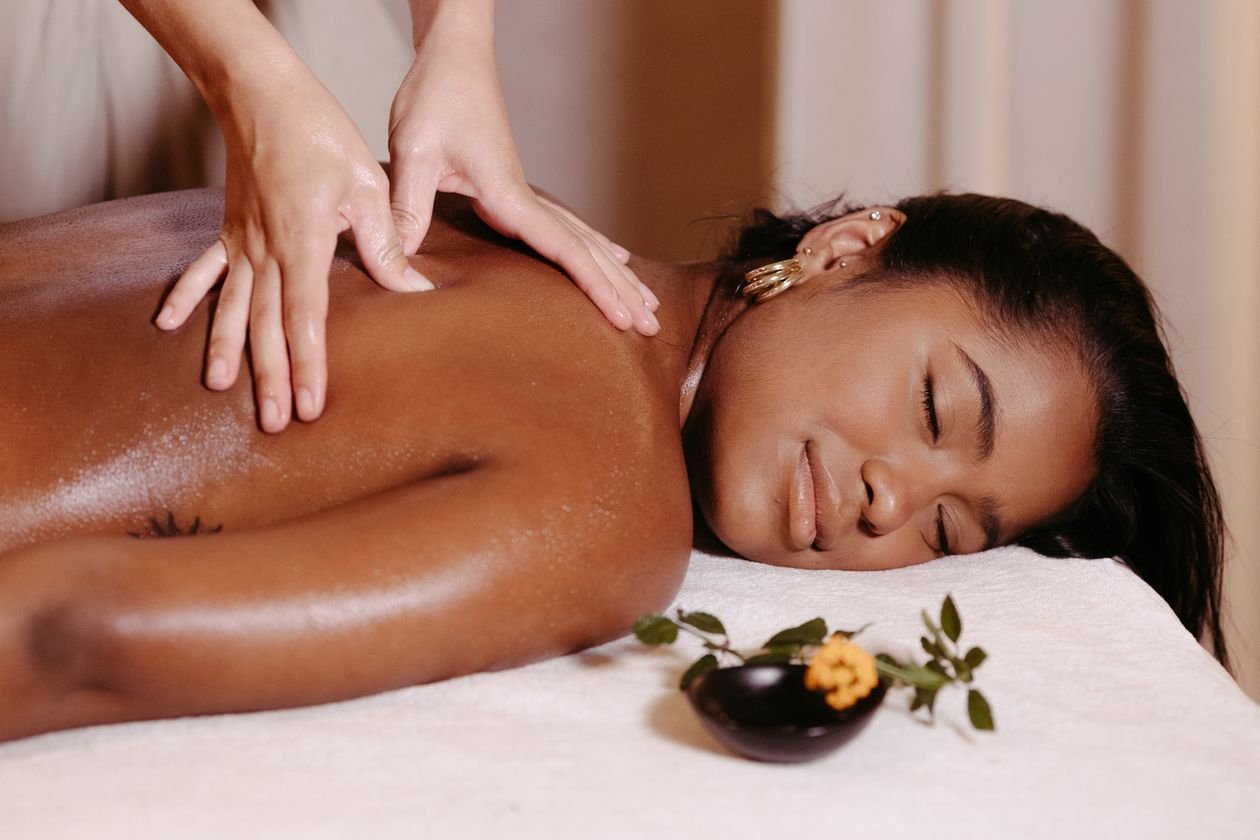
Because lymphatic drainage massage is so light, some first-timers wonder whether anything is happening at all. That is completely normal. You are likely to feel calm, warm and a little drowsy, and you may need the loo more often in the hours afterwards. A glass of water and a quiet evening are a lovely way to finish the day.
How Often Should You Have One?
It depends on your reason for booking. For a one-off boost before a special occasion, a single session a few days beforehand is usually enough. If you are targeting persistent puffiness, many therapists suggest a short course of weekly or fortnightly visits, followed by occasional top-ups. For medical needs such as lymphoedema, your specialist will set out a plan that is right for you.
Simple Tips to Get the Most From Your Treatment
- Drink plenty of water before and after your appointment.
- Avoid a heavy meal in the hour or two before you go.
- Wear loose, comfortable clothing so you can relax fully afterwards.
- Skip very hot baths, saunas and intense workouts on the same day.
- Take a gentle walk, because movement is one of the best natural pumps for lymph flow.
- Follow any compression or aftercare advice your therapist gives you.
How to Choose the Right Therapist
Training matters far more with this treatment than with a general relaxation massage. Look for a therapist who has completed recognised manual lymphatic drainage training, carries professional insurance and begins with a proper consultation. Ask how long they have been practising and whether they have experience with your particular concern. Be wary of anyone who promises dramatic results, makes medical claims or pushes you to buy a large course of sessions upfront.
Frequently Asked Questions
Does lymphatic drainage massage hurt?
No. The pressure is intentionally light, so it should feel soothing rather than sore. If anything feels uncomfortable, tell your therapist straight away.
How soon will I notice results?
Some people see a difference in puffiness the same day, while others notice it more gradually over a few sessions. Results vary from person to person and tend to be temporary without regular care.
Can I have it at home?
Gentle self-massage techniques are popular, and your therapist can show you a simple routine. For any medical condition, though, professional guidance is essential.
Final Thoughts
A lymphatic drainage massage is not a miracle cure, but it is a calming, well-established way to support your body’s natural fluid balance and leave you feeling lighter and more relaxed. Be realistic about the results, choose a properly trained therapist, speak to your doctor if you have any health concerns, and treat the session as time set aside purely for you. Done that way, it can be a lovely addition to your self-care routine.