Few shades turn heads quite like a glowing coppery red. Every autumn it floods social feeds, and every year more people book in asking for it. If you have ever wondered whether copper hair would suit you, how much upkeep it takes or which tone to pick, this guide walks through everything you need to know before you make the leap.
What Is Copper Hair?
Copper hair sits somewhere between a true red and a warm, golden brown. Think of a shiny new penny: orange-red with a metallic warmth and golden undertones. It is softer and more natural-looking than a fiery crimson, and brighter than a classic auburn, which is why it is often called the friendly way into red.
The shade is found naturally in some people, but most of the coppers you see in salons are created with colour. Depending on how it is mixed, it can look rich and deep, light and peachy or somewhere in between. That range is part of the charm, because there is a version to suit almost anyone willing to try it.
Popular Shades of Copper Hair
Because the family is so wide, it helps to know the main variations before you show your colourist a photo.
- Light copper or strawberry copper: A soft, peachy tone that looks gentle and sun-kissed. It suits those who want a subtle change.
- Golden copper: Warm and bright, with a honeyed glow that catches the light beautifully.
- Bright penny: A vivid, true-to-the-name orange-red that makes a confident statement.
- Dark copper: A richer, deeper mix that leans towards auburn and works well for brunettes who want warmth without a dramatic jump.
- Copper balayage: Hand-painted copper strands blended through a brown base for a lived-in, lower-maintenance finish.
Who Suits Copper Hair? Skin Tones and Undertones
The golden rule is that the colour should flatter your skin rather than fight it. As a general guide, warm undertones, which often show up as golden or peachy skin that tans easily, tend to glow against golden and bright coppery shades. Cooler undertones, which look pink or rosy, often look lovely with deeper, slightly redder tones such as dark copper or auburn-copper blends. Olive skin can carry rich, darker coppers beautifully, and a well-chosen shade can bring out green and hazel eyes in particular.

These are guidelines rather than strict rules. Your eye colour, natural hair level and personal style all play a part, so the best way to find your perfect tone is a consultation with a colourist who can hold swatches against your face in good light.
How to Get Copper Hair Safely
The route to a coppery shade depends on where you are starting. If you are naturally light brown or dark blonde, you may only need a gentle colour and gloss. Going copper hair from dark brown or black, however, usually involves lightening first, because the warm tone needs a lighter canvas to show up brightly. That is a good moment to talk honestly with your colourist about the condition of your hair and how many sessions may be sensible.
A few points are worth raising at your appointment:
- Ask for a patch test before any permanent colour, particularly if you have never had your hair dyed or have a sensitive scalp.
- Tell your colourist about any previous colour, box dye or chemical treatments, as these affect how the new shade develops.
- Discuss whether a full colour, soft highlights or balayage suits your lifestyle and budget.
- Consider a bond-strengthening treatment if your hair is already dry or lightened.
How to Keep Copper Hair Bright
The honest truth is that red and coppery pigments tend to fade faster than most other shades. The good news is that a few simple habits make a big difference.
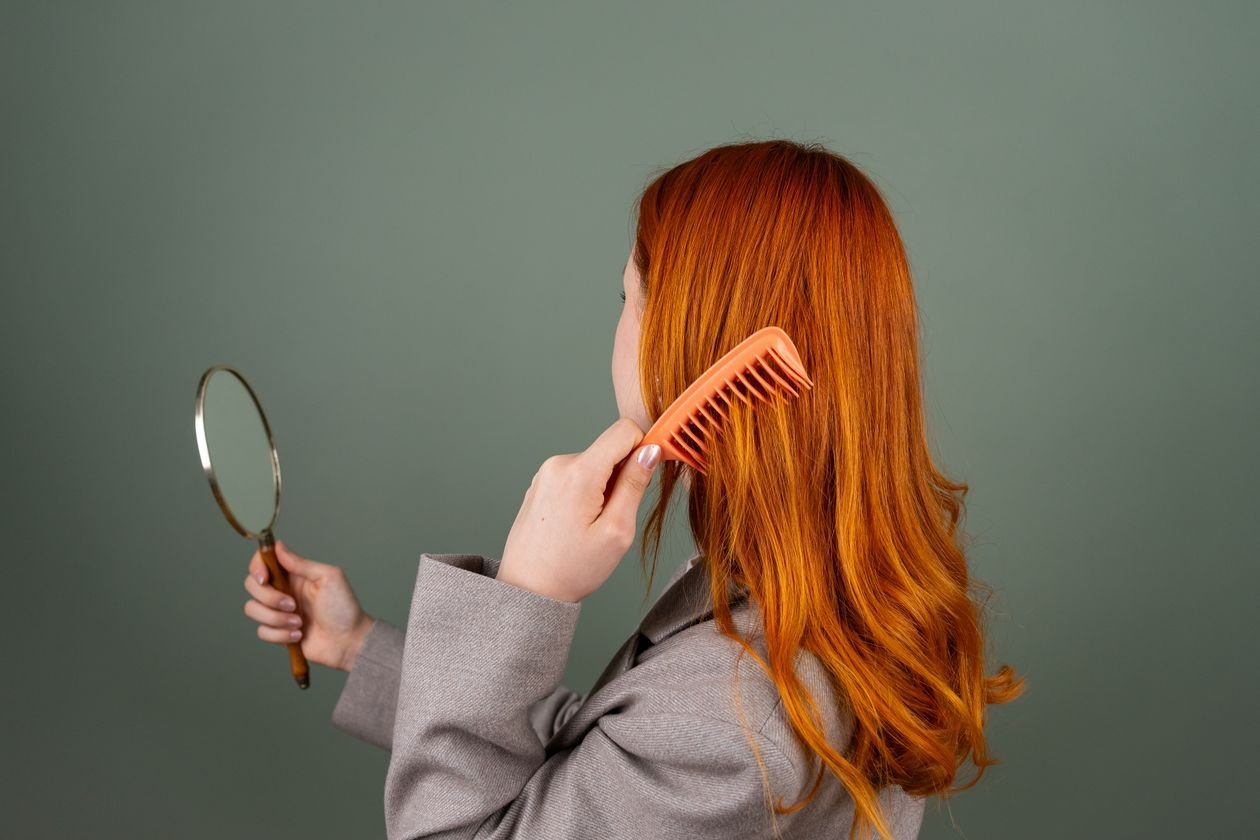
- Wash less often and use cooler water. Hot water opens the hair cuticle and lets colour slip away faster.
- Choose a colour-safe, sulphate-free shampoo. Gentler formulas are kinder to coloured hair.
- Add a colour-depositing conditioner or gloss. A copper-toned product used every few washes tops up the shade between salon visits.
- Go easy on heat. Use a heat protectant and keep tools at moderate temperatures.
- Protect from the sun. Strong sunlight can dull warm tones, so a hat or UV-protecting hair product helps in summer.
- Book a gloss refresh. Many colourists suggest a toning gloss every four to six weeks to bring back shine and vibrancy.
Styling Ideas to Show Off the Colour
Coppery tones look striking on almost any cut, but texture really shows them off. Soft waves and loose curls catch the light and reveal the different tones in the colour. Layered styles add movement, and a blunt, glossy bob looks sleek and polished. Keep your hair well conditioned and trimmed, as healthy ends reflect light far better and make the colour look richer.
Frequently Asked Questions
Does copper hair fade quickly?
It can, because warm red tones are among the first to lose intensity. Using colour-safe products, washing in cooler water and having regular glosses will help it last longer.
Is it damaging to my hair?
That depends on your starting shade. If you do not need to lighten, the process is usually gentler. If lightening is required, aftercare and conditioning treatments become even more important.
Can I go copper without bleach?
If your hair is already light to medium brown, you can often get a warm coppery glow with colour alone. Very dark hair generally needs some lightening to look bright rather than just a subtle tint.
How much maintenance does it need?
Expect a root touch-up every six to eight weeks if you have a full colour, plus occasional glosses. A balayage version grows out more softly and needs less frequent visits.
Final Thoughts
Copper hair is warm, flattering and full of personality, and with the right shade it can feel completely natural on you. Pick a tone that suits your skin, be realistic about the upkeep and invest in a good aftercare routine. Do that, and your coppery colour will stay glossy, vibrant and eye-catching long after you leave the salon chair.