What Is Shellac Nail Polish?
Shellac nail polish is a type of long-wearing manicure system that sits somewhere between regular nail polish and a full gel enhancement. It is applied in the salon in much the same way as ordinary polish, with a base coat, colour coats and a top coat, but each layer is set under a lamp so that it hardens into a durable, glossy coating. The result looks like a classic polished manicure, only with a high shine and a finish that is far less likely to chip during everyday life. For many people, that combination of a natural look and reliable wear is exactly why shellac has remained popular in salons for so long.
Shellac is often confused with gel nails, and the two do share a great deal in common. Both are cured under a lamp, both give a hard, glossy finish, and both need a soak-off removal rather than ordinary polish remover and cotton wool. The main difference that most clients notice is the feel and the look: shellac is generally presented as a thinner, more natural-feeling coating on the natural nail, without added length or sculpted structure. If you love the look of polished natural nails and simply want that look to last, shellac is usually the service a salon will suggest first.
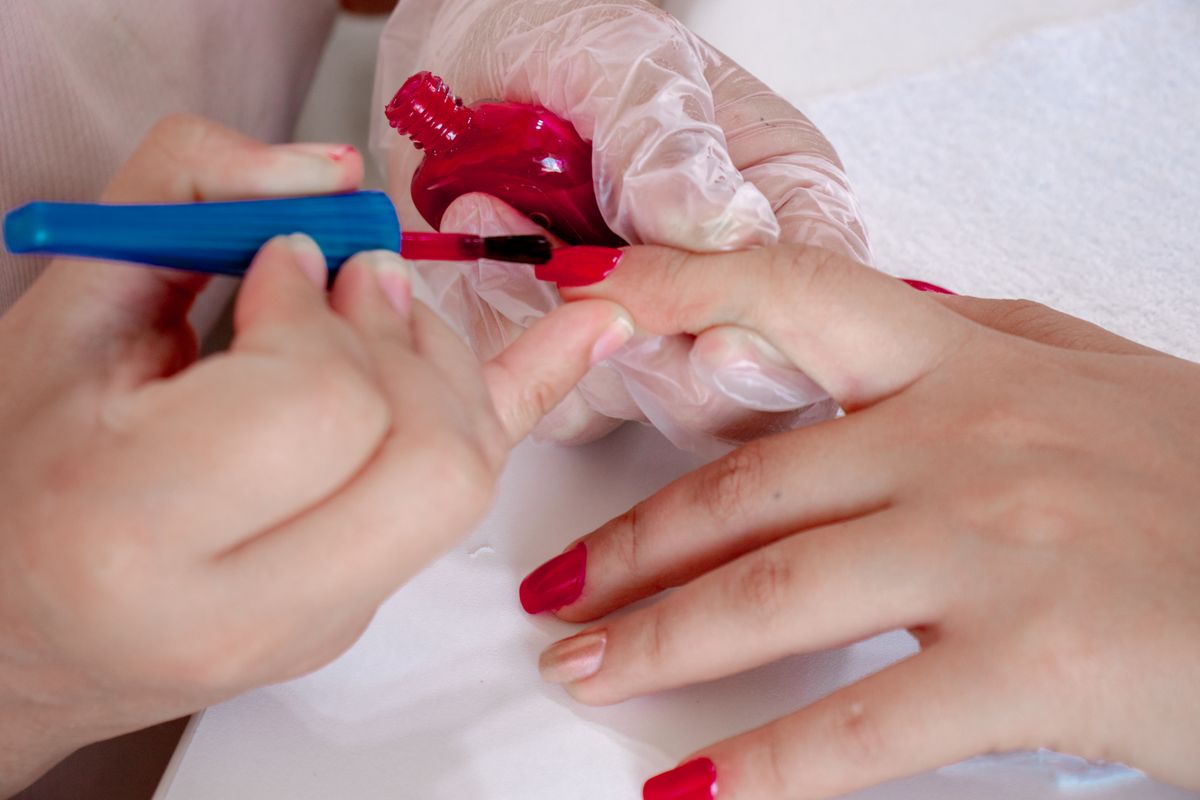
What Happens During a Shellac Appointment
A shellac appointment usually begins with a conversation about the shape and colour you want, followed by careful preparation of the nails. Old polish is removed, the nails are shaped with a file, the cuticles are tidied gently, and the nail surface is lightly prepared so that the polish can grip well. This preparation stage may look unremarkable, but it is the foundation of the whole manicure. Nails that are clean, dry and free from oil or dust hold polish far better than nails that have been rushed, and a good technician will never skip this step.
Once the nails are ready, the shellac system is applied in thin layers. A base coat goes on first and is cured, then colour is built up in thin coats, with each coat cured before the next is applied. A top coat seals everything in and gives the manicure its signature shine. Thin layers are the golden rule here, just as they are with other cured polishes, because thin coats set evenly and evenly set polish wears evenly. Thick, gloopy layers may look fine at first glance, but they are far more likely to lift at the edges or peel away from the nail.
Curing is the step that sets shellac apart from regular polish, and it is done with a lamp designed for gel-type polishes. You can read more about how that equipment works in our guide to choosing a nail lamp, which explains the difference between lamp types and why matching the lamp to the polish matters. In the salon, you simply place your hand in the lamp as directed while each layer sets, keeping your hand still so the coating cures smoothly. When the final layer is finished, the technician will usually cleanse the nails, apply cuticle oil and finish with a little hand massage, leaving your hands looking polished and feeling cared for.
Colours, Finishes and Choosing a Shade
One of the pleasures of a shellac manicure is the sheer range of colours available, from soft nudes and classic reds to deep winter shades, bright summer brights and subtle shimmers. Because the finish is so glossy, colours tend to look richer and more polished than the same shade in regular polish, which is part of the appeal. A shade that looks a little flat in the bottle can come alive on the nail once the glossy top coat goes over it, so it is always worth looking at swatches on a nail wheel or a sample tip rather than judging by the bottle alone.
When choosing a shade, it helps to think about your everyday life as well as the colour you love. A neutral or soft pink will grow out less noticeably and will suit almost any outfit, making it a safe choice if you have a busy few weeks ahead. A bold red or deep berry makes a statement and photographs beautifully, but regrowth will show sooner as the natural nail grows. Neither choice is wrong; it is simply a trade-off between drama and discretion, and a good technician will happily talk through which shades tend to be most forgiving between appointments.
How Shellac Wears Over Time
Shellac is loved because it wears gracefully. In the first days after an appointment, the finish stays glossy, the colour stays true, and the nails feel smooth and hard. As time passes, the main change most people notice is not chipping but regrowth: a small gap appears near the cuticle as the natural nail grows out. This is entirely normal and is a sign that your nails are growing healthily underneath. How noticeable that gap becomes depends on the contrast between your chosen colour and your natural nail, which is why nudes tend to look fresher for longer than very dark shades.
Everyday habits have a bigger effect on wear than most people realise. Nails used as tools, whether for opening cans, scraping off stickers or prising open packaging, will suffer no matter what polish is on them. Water also plays a part: long soaks, frequent hand washing without gloves, and harsh cleaning products can all soften the coating and encourage lifting around the edges. Wearing gloves for cleaning and washing up, and keeping nails away from jobs they were never designed to do, will do more for the life of your manicure than any top-up product.
When shellac does start to lift, the temptation is to pick at it, but that is the one habit most likely to damage the natural nail underneath. Picking or peeling lifts layers of the natural nail along with the polish, leaving the nail thin, weak and prone to splitting. If a corner lifts, it is better to leave it alone, keep the nail moisturised, and book a removal or infill appointment. A lifted edge is not a failure of the service; it is simply the manicure telling you that it has reached the end of its comfortable life.
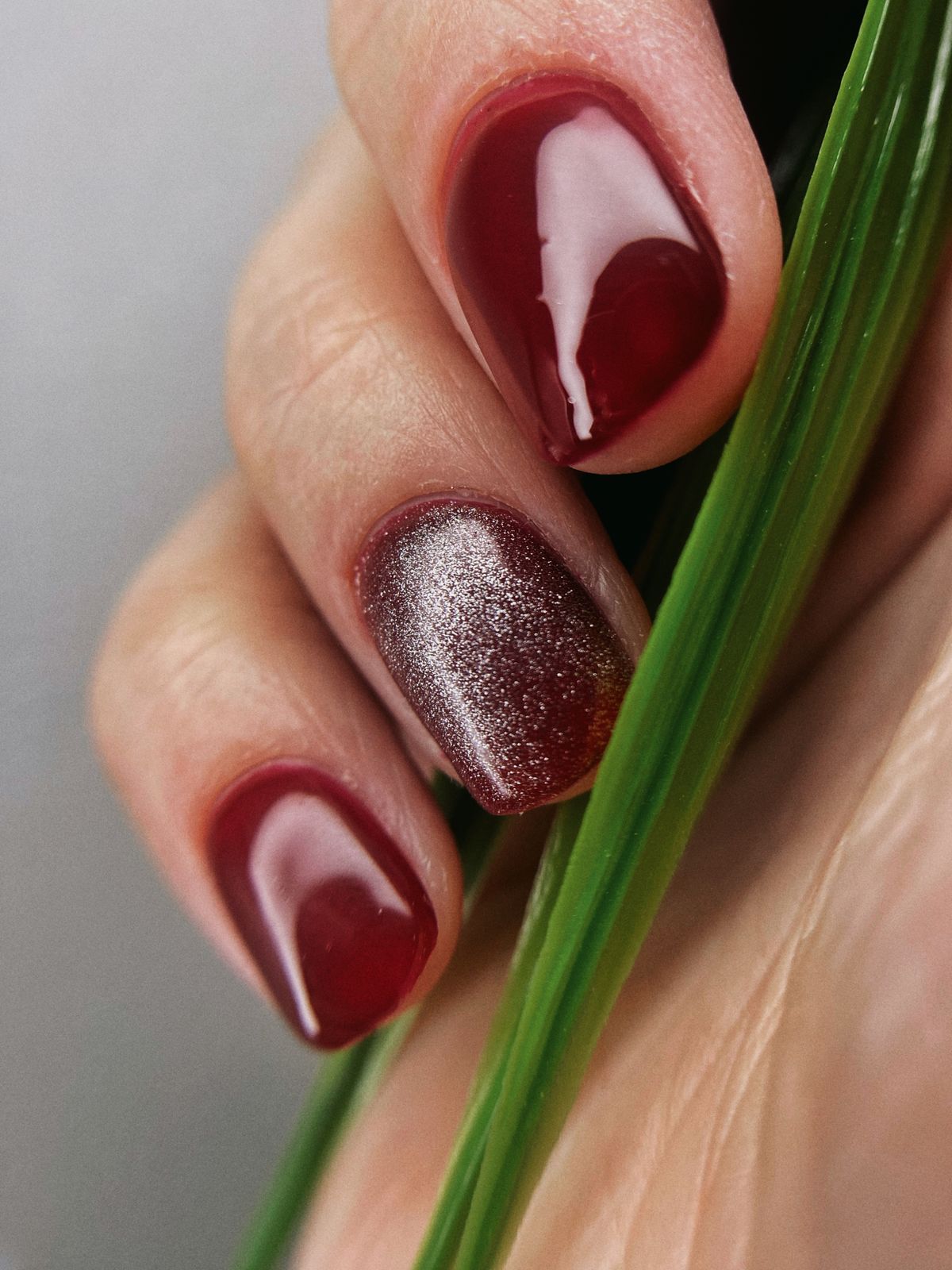
Shellac Removal: Why Soak-Off Matters
Shellac cannot be removed in the same way as regular polish, and that is by design. The coating is cured into a hard layer, so it needs to be softened before it can be lifted away safely. In the salon, removal usually involves gently breaking the shine of the top coat, wrapping the nails or soaking them in remover as the product directs, and then easing the softened polish away with a gentle tool. The key word is easing: the polish should come away with little resistance, and the technician should never need to force or scrape it off.
This soak-off process is the reason salon removal is so strongly recommended, especially if you are new to shellac. At home, it is easy to become impatient, soak for too short a time, and then scrape at polish that is still firmly attached. That scraping is what damages nails, not the shellac itself. A professional removal takes a little patience, but it leaves the natural nail in far better condition and ready for whatever comes next, whether that is another shellac set, a rest period, or a different manicure altogether.
After removal, your nails may feel a little dry or look slightly dull, and that is normal. The nail plate has been covered for a while and has just been through a soak, so it needs moisture and a little time to settle. Cuticle oil, hand cream and a break from polish if your nails feel fragile will all help. If your nails feel very thin or sore after removal, mention it to your technician, who can advise on gentler care and on whether a rest period would help before your next set.
Aftercare for Shellac Nails
Aftercare is simple, but it makes a genuine difference to both the look of your manicure and the health of your nails. Cuticle oil is the single most useful product in a shellac routine: massaged into the cuticles and around the nail each day, it keeps the nail plate and surrounding skin flexible, which helps the coating stay attached and helps the skin look cared for. Hand cream after washing completes the routine, keeping hands soft without leaving a heavy residue on the nails themselves.
Gloves are the other unsung hero of shellac aftercare. Wearing gloves for cleaning, gardening and washing up protects the manicure from water, detergents and knocks, all of which shorten its life. It is a small habit, but clients who wear gloves consistently tend to notice their manicures looking fresher for longer. Similarly, avoiding very hot water and harsh chemicals on the hands, and applying hand cream regularly, keeps both the polish and the skin in good condition.
If you like to plan a full salon visit, you may also be thinking about other treatments alongside your manicure. Many clients combine a manicure with tanning or other beauty services in one trip, and if that sounds like you, our guide to sunbed cream explains how to choose and use a lotion made for indoor tanning sessions. Planning treatments together can make a salon visit feel like a proper pamper session, as long as each treatment is given the care and attention it deserves on its own.

Shellac or Regular Polish: Which Suits You?
The choice between shellac and regular polish usually comes down to how you live and how often you want to think about your nails. Regular polish is quick, easy to change at home, and perfect if you like a different colour every few days or enjoy doing your own nails as a relaxing ritual. Its downside is that it chips readily, so it suits people who do not mind touching up their nails or who keep their hands relatively protected.
Shellac suits a different rhythm. It is ideal if you want a polished look that you can forget about for a while: a holiday, a busy period at work, a wedding season, or simply a preference for low-maintenance beauty. You trade the freedom to change colour at home for a finish that stays glossy and intact through everyday life, with removal handled in the salon. For many clients, that trade-off is exactly right, and it is why shellac has become a regular part of their beauty routine rather than an occasional treat.
There are also times when shellac may not be the best choice. If your nails are currently very weak, splitting or damaged, a rest period with gentle care may serve you better than another set straight away. If you have sensitivity to gel-type products, or skin irritation around the nails, it is wise to discuss this with a nail professional before booking. Shellac is a wonderful service for healthy nails, but healthy nails come first, and a good salon will always be honest about when a break is the kinder option.
Common Shellac Mistakes to Avoid
- Peeling or picking at lifted shellac, which removes layers of the natural nail along with the polish.
- Using nails as tools for opening, scraping or prising, which chips and lifts even a well-applied manicure.
- Skipping cuticle oil and hand cream, leaving nails and skin dry and the coating more prone to lifting.
- Soaking off at home impatiently and scraping polish that has not softened properly.
- Booking set after set with no break when nails feel thin, weak or sore.
- Applying hand creams or oils right before an appointment, which can stop polish gripping the nail properly.
Frequently Asked Questions
Is shellac the same as gel polish?
Shellac and gel polish are closely related, and the terms are sometimes used loosely in salons. Both are cured under a lamp and both need soak-off removal. Shellac is generally presented as a thinner system designed for the natural nail, giving a polished look without added length or structure, while gel is a broader family that also includes thicker, strengthening formulas and extensions. If you are unsure which service a salon is offering, ask what system they use and what it involves.
Will shellac damage my natural nails?
Shellac itself does not have to damage nails. Damage usually comes from poor removal, picking at lifted polish, or going from set to set without a break when nails are already weak. With careful application, gentle soak-off removal and good aftercare, most people find their nails stay in good condition. If your nails feel thin or sore, tell your technician and consider a rest period with cuticle oil and gentle care.
Can I remove shellac at home?
It is possible to soak shellac off at home, but salon removal is the safer option, especially for beginners. The process needs patience: the top coat must be gently broken, the nails soaked as the product directs, and the softened polish eased away without force. Rushing the soak and scraping at stubborn polish is the fastest way to damage the nail plate, so if you do remove at home, take your time and stop if the polish is not lifting easily.
How do I make my shellac manicure last?
The habits that help most are simple: wear gloves for cleaning and washing up, avoid using nails as tools, moisturise daily with cuticle oil and hand cream, and leave lifted edges alone rather than picking at them. Good preparation in the salon matters too, so choose a technician who takes time over shaping and cleansing the nails before application. Together, careful application and gentle everyday care give your manicure its best chance.
Can I wear shellac if my nails are short?
Yes, shellac works beautifully on short nails. Because it is applied to the natural nail without added length, it suits every nail length, and a neat, glossy finish can make short nails look especially tidy and elegant. Short nails also tend to be practical for everyday life, and a simple shade or French-style finish keeps the look classic. Your technician can shape short nails to flatter your hands, whether you prefer a rounded, squoval or softly squared tip.
Conclusion
Shellac nail polish offers the best of both worlds for many manicure lovers: the polished, natural look of classic nail polish with a glossy, durable finish that stands up to everyday life. As a salon service, its success rests on careful preparation, thin layers, proper curing and gentle soak-off removal, followed by simple aftercare with cuticle oil, hand cream and gloves. Choose a shade you love, look after your nails between appointments, and resist the urge to pick at lifted edges, and shellac will reward you with nails that look freshly done for far longer than regular polish ever could. If your nails need a rest, give them one with the same care, and they will be ready for your next beautiful set.